mad spatula
Hand dipping a crispy French fry into a bowl of rich homemade tomato ketchup.

Homemade Tomato Ketchup

Time35 min
DifficultyEasy
Servings20

Contains: Mustard

About allergens

While store-bought ketchup gets the job done, making it from scratch takes the flavor to an entirely new level. This homemade tomato ketchup recipe balances sweet, tangy, and savory notes with a warm background kick from cayenne pepper and allspice.

The key is to cook the tomatoes down slowly before blending. This concentrates their flavor and gives the ketchup a thicker texture without needing starch or thickeners.

It’s easy to make with basic pantry ingredients and works with everything from fries and burgers to roasted potatoes, sandwiches, and grilled meat.
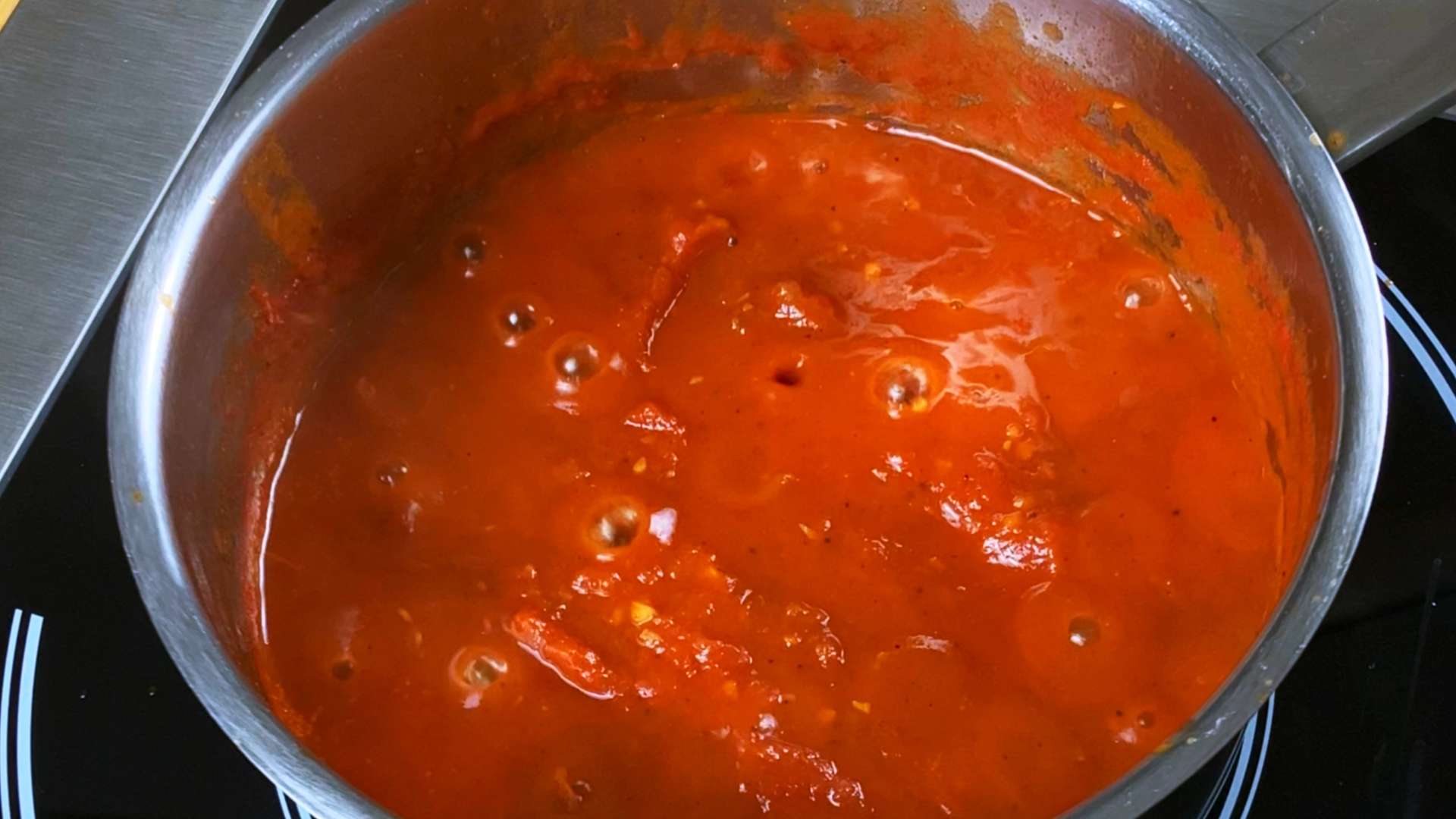
Simmering homemade tomato ketchup bubbling in a metal pot on the stove.

Why Make Homemade Ketchup?

Homemade ketchup gives you much more control over the flavor and texture. You can make it as smooth or rustic as you like, adjust the sweetness and acidity, and skip the preservatives and unnecessary ingredients found in some commercial versions.
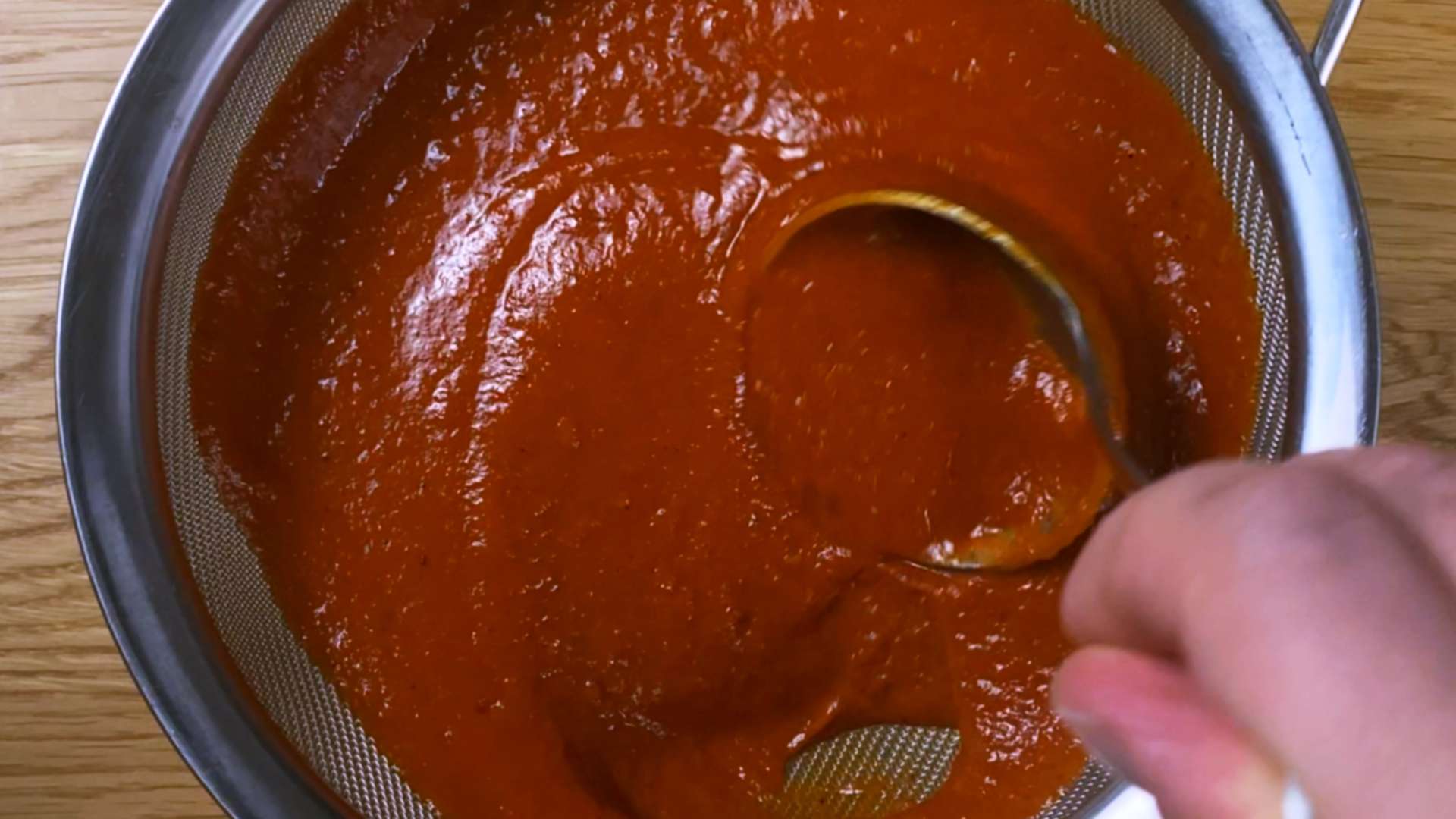
Straining smooth homemade tomato ketchup through a fine mesh sieve.

Tips for the Best Tomato Ketchup

  • Cook it down properly. The biggest difference between a thin tomato sauce and ketchup is concentration. Give the mixture enough time to lose excess water.
  • Don't skip the vinegar. Acidity balances the sweetness and richness of the tomatoes.
  • Blend thoroughly. A high-speed blender or immersion blender will give you a smoother ketchup. For a very polished texture, strain it afterward.
  • Taste after cooling. The balance of sweetness, acidity, salt, and spice changes as the ketchup cools, so make your final adjustments once it's no longer hot.
  • Use flavorful tomatoes. Since tomatoes are the main ingredient, their flavor makes a noticeable difference. Good-quality canned tomatoes are often a better choice than watery out-of-season fresh tomatoes.
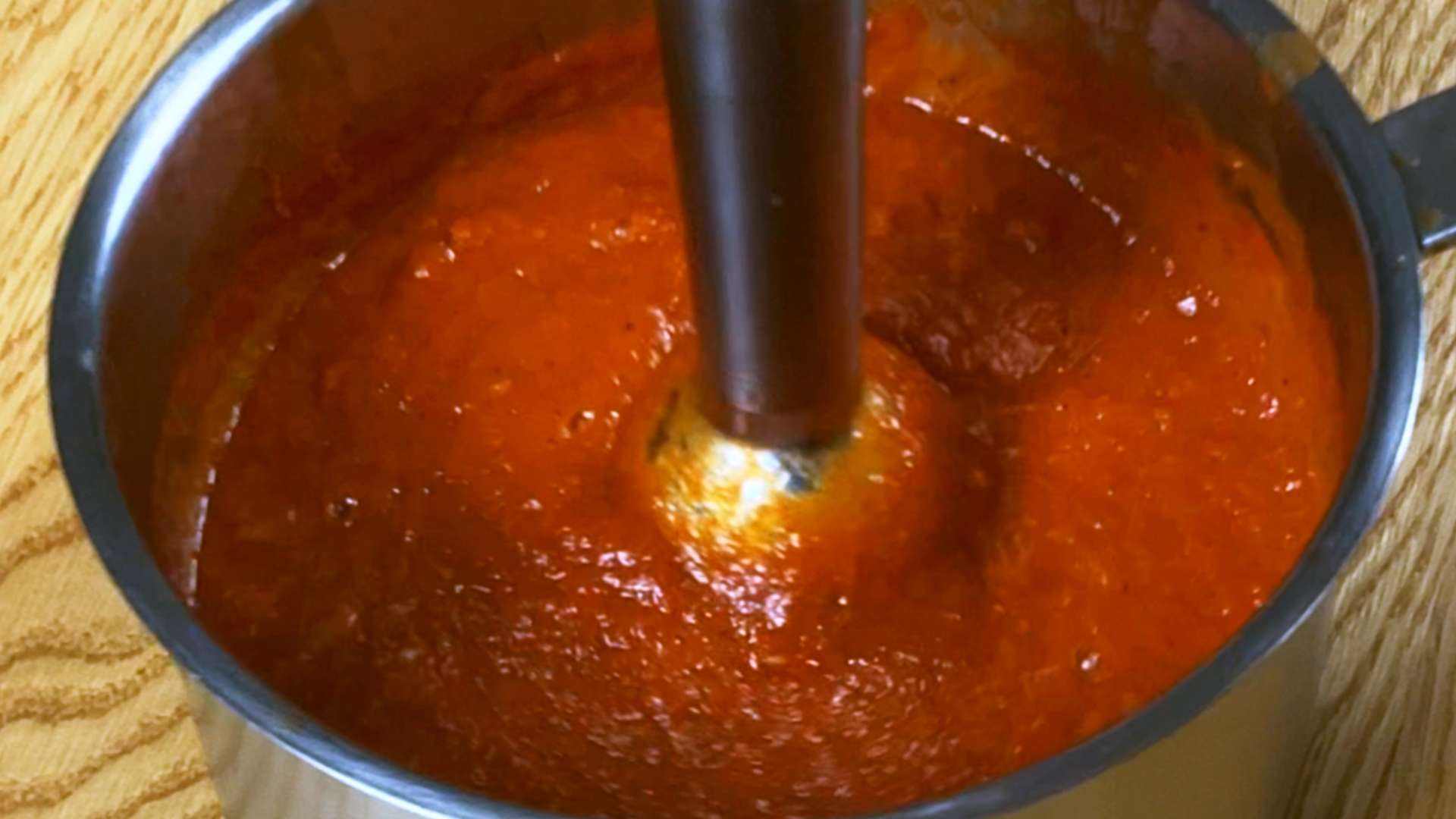
Blending cooked tomato sauce with an immersion blender for homemade ketchup.

Can You Make It Less Sweet?

Yes. This recipe already uses considerably less sugar than many commercial ketchups, but you can reduce it further.

The sugar isn't only there for sweetness - it also helps balance the acidity from the vinegar and tomatoes. If you reduce it, taste the finished ketchup and adjust the vinegar and salt accordingly.

Common questions

Can I use fresh tomatoes?

Yes. Fresh tomatoes work well, especially when they are ripe and flavorful. However, you'll need to account for their water content and may need to simmer the ketchup longer to reach the right consistency.

Do I have to peel the tomatoes?

If you're using canned peeled tomatoes, no additional preparation is needed. If using fresh tomatoes, peeling them will give you a smoother final ketchup, especially if you don't plan to strain it.

Can I skip straining the ketchup?

Yes. Blending thoroughly produces a smooth sauce, but straining gives it the especially silky texture associated with bottled ketchup.

Why is my ketchup too thin?

It most likely needs more reduction. Return it to a saucepan and simmer uncovered over low heat until some of the excess moisture evaporates.

Why does my ketchup taste too acidic?

Let it cool completely before making adjustments. If it still tastes too sharp, add a small amount of sugar and taste again. The sweetness helps balance the vinegar and tomato acidity.

Can I make ketchup without sugar?

Yes. If you want to make this ketchup without added sugar, you can replace the granulated sugar with erythritol or stevia using the quantities provided in the recipe.

Keep in mind that sugar does more than add sweetness - it also helps balance the acidity of the tomatoes and vinegar and gives the ketchup a more rounded flavor. Erythritol and stevia can provide sweetness, but the finished ketchup may taste slightly different from the version made with sugar.

If you're reducing added sugar because you're watching your carbohydrate intake, the erythritol or stevia version can be a useful alternative. See our (GI & GL Guide)[https://madspatula.com/posts/what-is-glycemic-index-and-glycemic-load] to learn more about how we estimate the glycemic impact of recipes.

Recipe

Homemade Tomato Ketchup

5mPreparation
30mCooking
35mTotal
Servings
20

Ingredients

Ingredient Substitutes
  • 25 g (1 oz) Erythritol + 20 g (¾ oz) Stevia baking blend + 0 g Pure stevia powder

Instructions

  1. 1

    Prep & Chopping

    Finely dice small yellow onion and garlic.

  2. 2

    Sautéing Aromatics

    Heat the olive oil in a medium pot over medium heat. Add the onion and cook until soft and lightly golden. Add the garlic and cook briefly until fragrant.

  3. 3

    Toasting Spices

    Stir in the allspice, black pepper, and ground cayenne. Toast gently for a few seconds to release their aromas.

  4. 4

    Adding Base Ingredients

    Add the red wine vinegar, canned peeled tomatoes, sugar, salt, and bay leaf. Stir well to combine.

  5. 5

    Simmering & Thickening

    Bring the mixture to a gentle simmer and cook uncovered for about 25 to 30 minutes, stirring occasionally, until thickened.

  6. 6

    Finishing Flavors

    Remove the pot from the heat, stir in the mustard and discard the bay leaf.

  7. 7

    Blending

    While the ketchup is still hot, blend with an immersion blender until completely smooth.

  8. 8

    Straining (Optional)

    For an extra-smooth texture, strain the ketchup through a fine-mesh sieve into a clean bowl.

Nutrition Facts

per 100 g
Calories
43
kcal
Fat
0.5g
Saturated
0.0g
Carbs
7.8g
Fiber
0.3g
Sugar
4.8g
Protein
1.2g
Salts
0.6g

Nutritional values are approximate estimates intended for informational purposes only. If you have dietary restrictions or medical conditions, please consult a qualified healthcare professional before making changes to your diet.

Glycemic Estimate

per serving
Glycemic Index
36
LowMediumHigh
Glycemic Load
1.4
LowMediumHigh
Blood Sugar Response
LowMediumHigh

Peak rise expected around 1h after eating

This is an estimated glycemic response and may vary based on individual metabolism and ingredient preparation. Learn more about GI and GL.

Storage & Reheating

  • 1

    Reheating

    Not usually necessary. Ketchup is normally served cold or at room temperature. If you prefer it warm, gently heat only the amount you need in a small saucepan over low heat or microwave it briefly, stirring before serving.

  • 2

    Freezing

    Yes, homemade ketchup can be frozen. Freeze it in a freezer-safe container or in small portions for easier use. Leave a little room for expansion.

    Thaw in the refrigerator and stir well before serving. If the texture has separated slightly after thawing, whisk or blend the ketchup until smooth.

    For the best quality, use frozen ketchup within 3 months.

  • 3

    Storage

    Store in the fridge in a sealed glass container for up to 3 weeks.

    For longer shelf storage, follow proper (jar sterilization/canning)[https://madspatula.com/posts/how-to-sterilize-jars-complete-guide] - stored in a cool, dark place, it keeps up to 6 months.

Equipment

  • MMedium Pot 3 QT / 3 l
  • KKitchen Knife
  • SStrainer
  • CCutting Board
  • IImmersion Blender

You might also enjoy