mad spatula
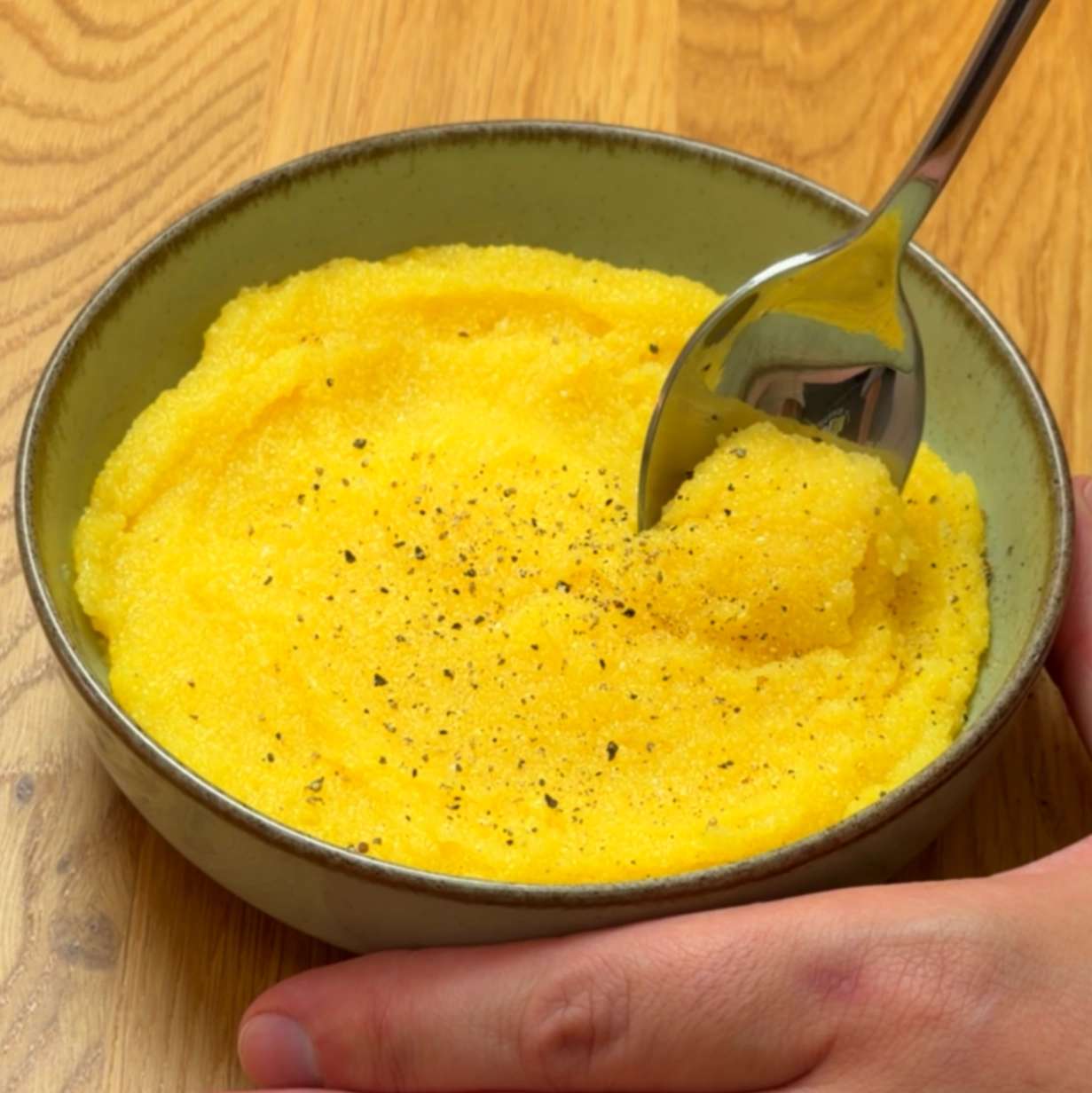
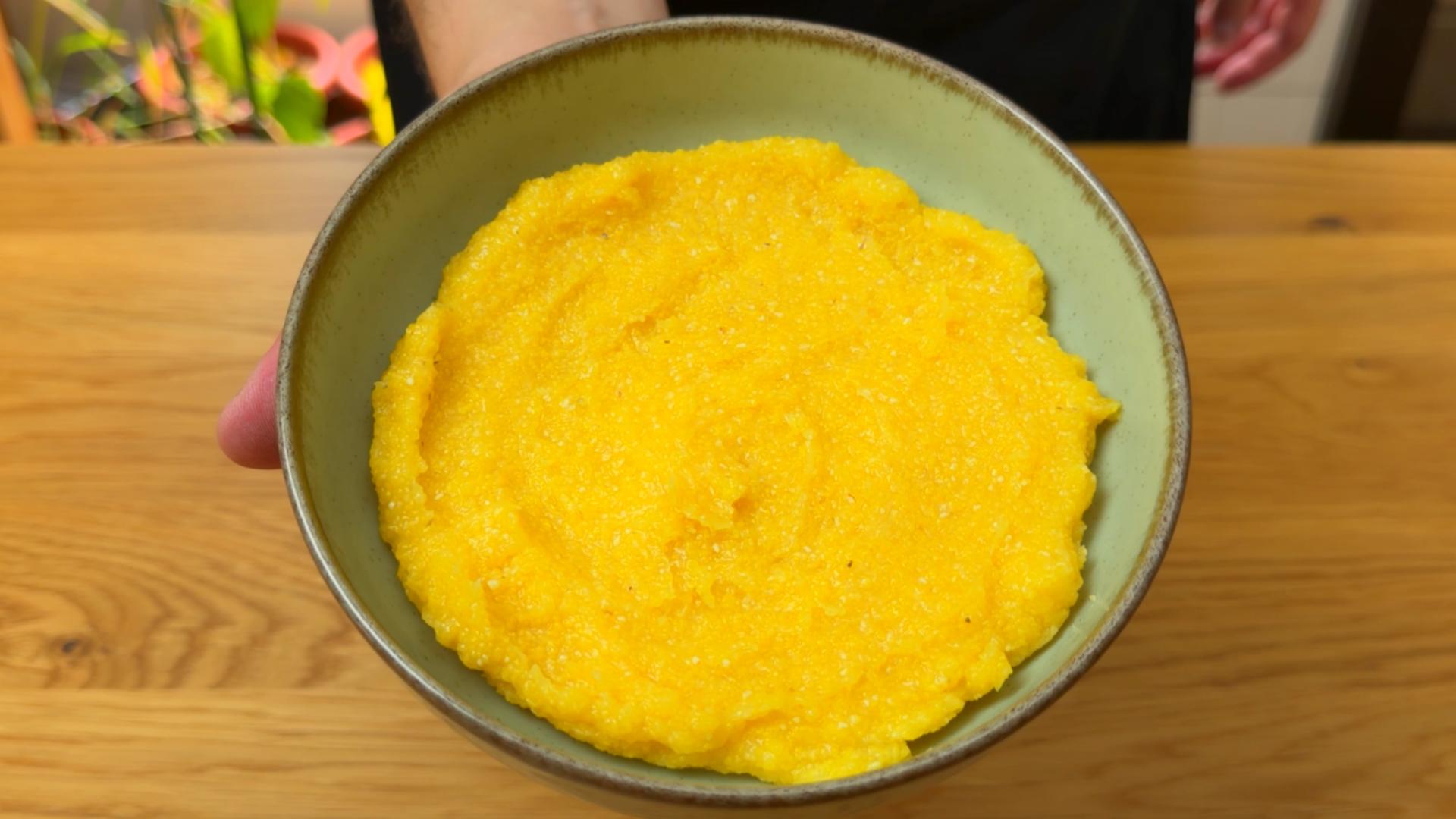
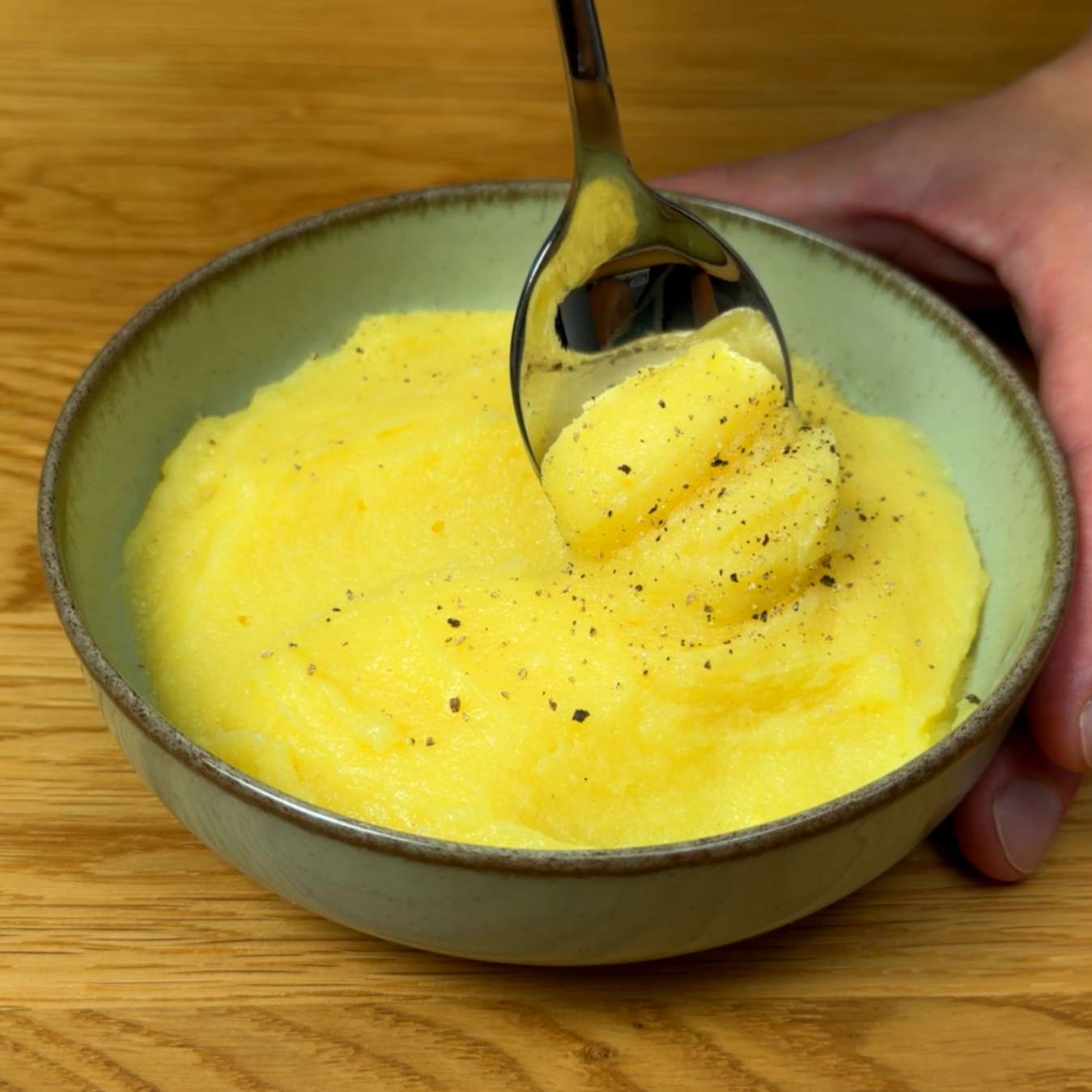
A ceramic bowl filled with smooth cooked cornmeal polenta, held by two hands on a wooden surface.
Time47 min
DifficultyEasy
Servings2

Cornmeal polenta is a simple, comforting side dish made with cornmeal, water, and salt. The coarser grind gives it a more rustic texture, making it a good match for rich sauces, hearty stews, mushrooms, and roasted vegetables.

This version starts with the cornmeal and cold water in the same pot before bringing the mixture to a boil. It then cooks slowly over low heat for 45 minutes, allowing the cornmeal to soften and the polenta to thicken.

If you'd like to understand how cornmeal polenta differs from fine corn flour and instant polenta, take a look at our guide for 3 Types of Polenta: Corn Flour, Cornmeal & Instant.

Tips for Making Cornmeal Polenta

  • Start with cold water. Mixing the cornmeal with cold water before heating helps prevent lumps and creates a smoother polenta.
  • Stir frequently. Cornmeal can settle at the bottom of the pot, especially as the mixture thickens.
  • Keep the heat low after boiling. This allows the cornmeal to soften without scorching.
  • Check the texture. Cornmeal varies in coarseness, so the final texture depends on the product you use. If the cornmeal is still firm after 45 minutes, it may need additional cooking and a little more water.
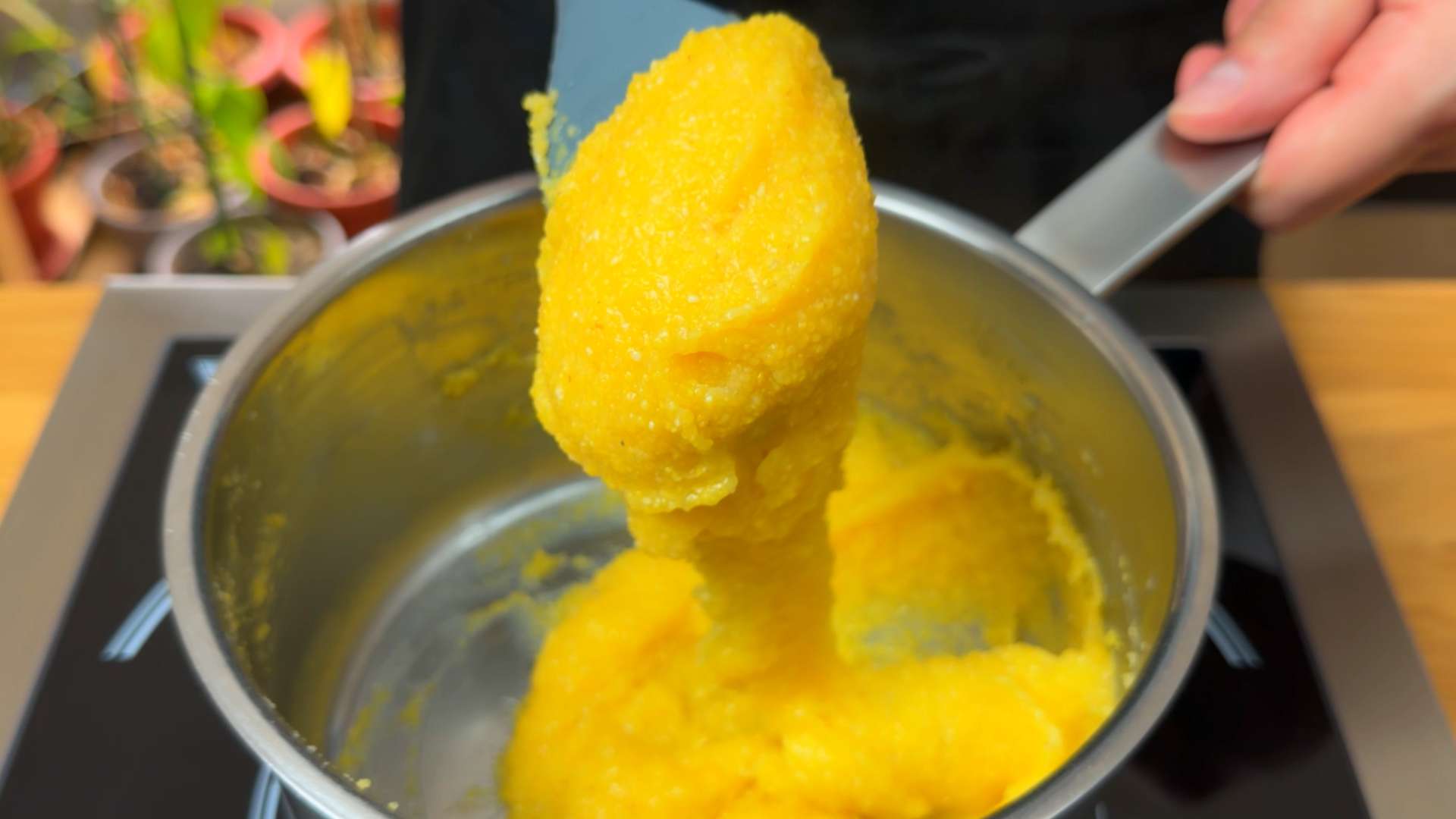
A close-up of thick, cooked cornmeal polenta lifted on a spatula above a stainless steel pot.

What to Serve with Cornmeal Polenta

The rustic texture of cornmeal polenta makes it especially good with dishes that have plenty of flavor and sauce.

Try it with:

  • Beef stew or braised meat
  • Sautéed mushrooms and garlic
  • Roasted peppers and zucchini
  • Tomato and herb sauce
  • Grilled vegetables and crumbled feta

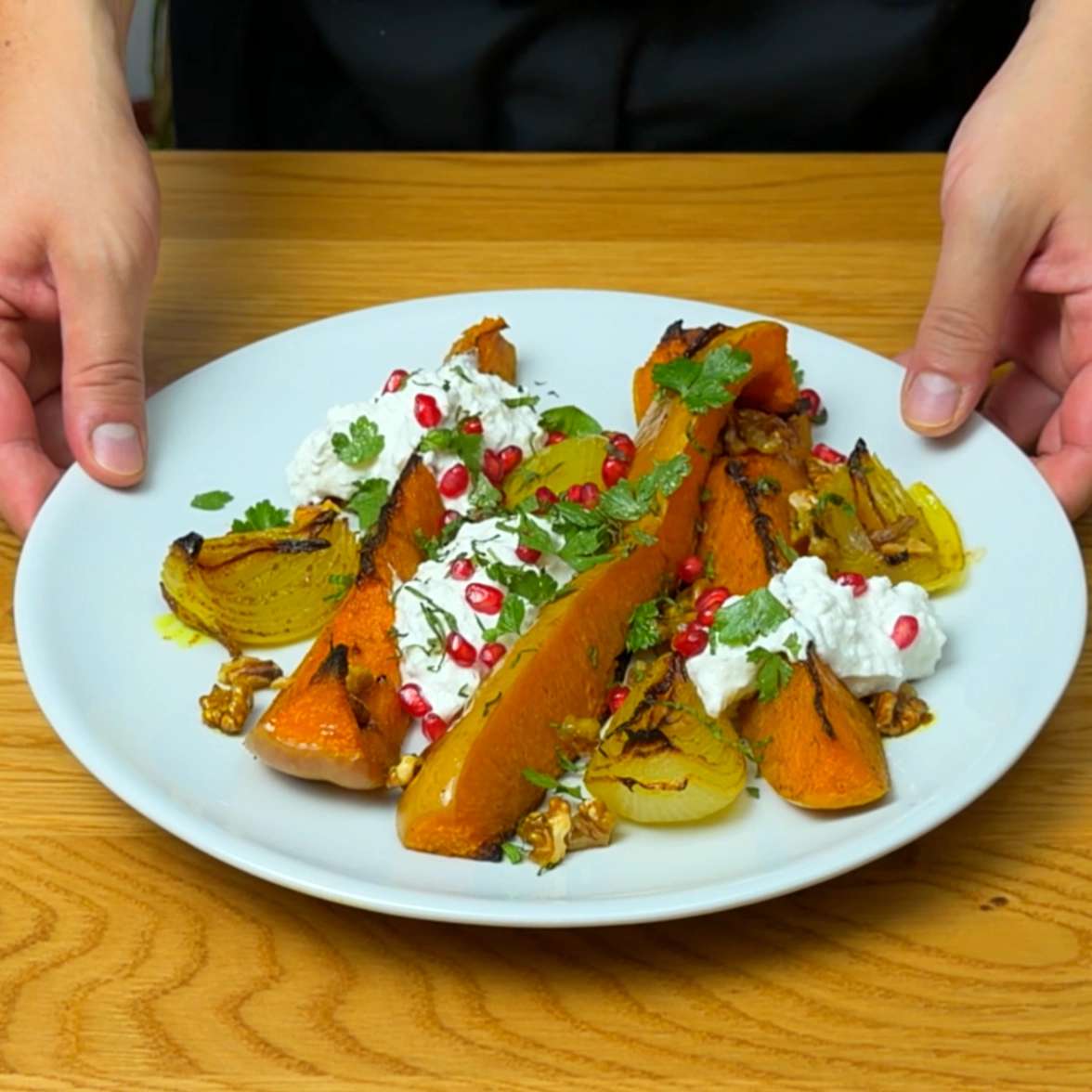
For another simple meal, serve it with roasted vegetables and spoon the pan juices over the top.
Common questions

What is the difference between cornmeal and corn flour polenta?

Cornmeal is generally coarser than corn flour, giving the finished polenta a more noticeable grainy texture. The finer grind of corn flour tends to produce a smoother result.

Why does cornmeal polenta take longer to cook?

Coarser corn particles generally need more time to absorb water and soften. The exact cooking time depends on the grind and the type of cornmeal.

Can I make cornmeal polenta ahead of time?

Yes. You can cook it in advance and refrigerate it. It will firm up as it cools, making it suitable for slicing and frying later.

How do I know when cornmeal polenta is ready?

The cornmeal should be softened throughout, without an unpleasantly hard or raw texture. The mixture should also have thickened. If the grains are still firm, continue cooking and add a little more water if needed.

Recipe

Cornmeal Polenta

2mPreparation
45mCooking
47mTotal
Servings
2

Ingredients

Instructions

  1. 1

    Combine the ingredients

    Add the cornmeal to a small pot. Pour in the water and add the salt. Stir well to combine.

  2. 2

    Bring to a boil

    Place the pot over medium heat and bring the mixture to a boil, stirring regularly to keep the cornmeal from settling and sticking to the bottom.

  3. 3

    Cook the polenta

    Once the mixture reaches a boil, reduce the heat to low. Cook for about 45 minutes, stirring frequently, until the cornmeal softens and the polenta thickens.

    Keep the heat low throughout cooking and stir thoroughly, scraping the bottom of the pot to prevent sticking.

  4. 4

    Serve

    Serve the polenta warm as a side dish with stew, roasted vegetables, sautéed mushrooms, or a rich tomato sauce.

    If you prefer firm polenta, transfer the cooked mixture to a lightly greased dish and allow it to cool before slicing.

Nutrition Facts

per 100 g
Calories
0
kcal
Fat
0g
Saturated
0g
Carbs
0g
Fiber
0g
Sugar
0g
Protein
0g
Salts
1.0g

Nutritional values are approximate estimates intended for informational purposes only. If you have dietary restrictions or medical conditions, please consult a qualified healthcare professional before making changes to your diet.

Glycemic Estimate

per serving
Glycemic Index
0
LowMediumHigh
Glycemic Load
0
LowMediumHigh
Blood Sugar Response
LowMediumHigh

Peak rise expected around 0m after eating

This is an estimated glycemic response and may vary based on individual metabolism and ingredient preparation. Learn more about GI and GL.

Storage & Reheating

  • 1

    Storage

    Let the polenta cool completely, then store it in an airtight container in the refrigerator for up to 3 - 4 days. As it cools, it will firm up and become easier to slice.

  • 2

    Freezing

    Cool the polenta completely and portion it into freezer-safe containers. Freeze for up to 3 months. Thaw overnight in the refrigerator before reheating or frying. The texture may be slightly different after thawing.

  • 3

    Reheating

    For soft polenta, place it in a saucepan with a splash of water and heat over low heat, stirring until warmed through. For a different texture, slice the chilled polenta and pan-fry or bake until golden.

Equipment

  • SSilicone Spatula
  • SSaucepan 2 QT / 2 l

You might also enjoy